
Multi-Unit Organics Program

City Council has approved the creation of a city-wide Multi-Unit Organics program. The City will be the service provider for the new program. Organic material gathered through the program will be handled at the City’s organic processing facility.
The recommendation for this program stems from a yearlong pilot study that explored the most effective ways to provide organics diversion to multi-unit residential properties including apartments, condos and townhouse complexes.
A project schedule has been developed that would see the multi-unit organics program start rollout as early as Fall of 2027 and be completed by the end of 2028. The timeline is intended to provide adequate lead time for property managers and condo boards to notify residents and account for this service in their budgets. Further budget details will be available later in 2026 with finalized rates in November 2026. The City will be reaching out directly to property managers once a deployment plan is finalized.
A link to the report and agenda for November 4, 2025 can be found here: Multi-Unit Organics: Implementation Plan Update.
What research did the City complete to design this program?
Acceptable Material

| 
| 
|

| 
| 
|

| 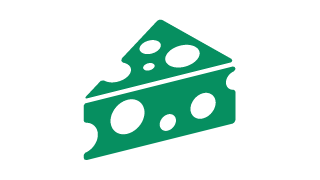
(yogurt, butter and cheese) | 
|

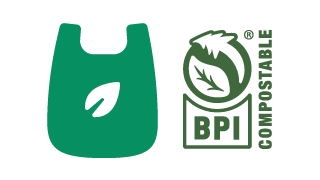
| 
|
Unacceptable Material

| 
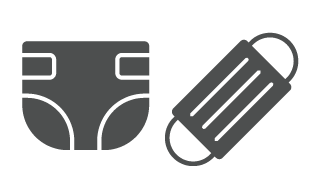
| 
|
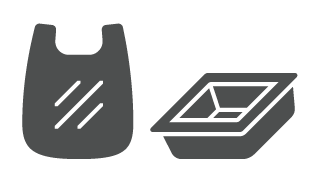
| 
| 
|
Frequently Asked Questions
How often will our green bin be collected?
Collection frequency will vary based on the specific service plan for each property participating in the pilot study. Schedules will be designed based on container type and number of units. This information will be communicated to each property.
Will there be additional cost for this program?
No, the City will be hiring a third party to provide a container, collect organic material, and process the material. These costs will be covered by the City for the duration of the pilot study.
Will there be a city-wide multi-unit organics program?
Yes, this pilot study will be used to help develop a future organics program for all multi-unit residential properties. A recommendation will be made to City Council at the end of 2024.
How do I get a kitchen pail for use in my home?
Each property has a key contact that the City will be working with. Kitchen pails will be distributed through this contact. The kitchen pail will include a sample of BPI compostable bags and a postcard with further details.
What if I don’t need a kitchen pail?
If you have your own container for kitchen scraps or if you don’t plan on using your kitchen pail, please speak with your property contact and a member from the City will arrange to take it back.
How can I reduce odours and insects?
- Collect food waste in your provided kitchen pail or a small container with a lid. Store it inside a cupboard or underneath your sink. Ensure the lid is fully closed.
- Line your container with BPI-certified compostable or a paper liner, or simply wrap food in a newspaper or napkin to reduce moisture. Please do not use waxed, plastic, plastic-lined, or any non-certified BPI compostable or biodegradable bags.
- Drain excess liquids, excluding cooking oil, from your food waste before placing in the container.
- Empty the contents of your kitchen pail or container into your organics bin as frequently as necessary.
- Rinse your kitchen pail or container after emptying it into your organics bin.
- Sprinkle baking soda in the bottom of your kitchen pail or container to reduce odours and deter insects.
- Catch fruit flies in a bowl of vinegar covered with plastic wrap, pricked with a few holes.
- Empty more frequently in the warmer months.
How do I know what I can put in the organics container?
The organics container can accept all food waste and most yard waste. If you still need sorting help, ask the Saskatoon Waste Wizard.
What if I already use my garburator / garbage disposal for food scraps?
Garburator/garbage disposal are not effective ways for waste diversion as this process simply displaces the waste by having it go through the wastewater treatment process, which has adverse effects on the system itself. Any materials sent through this system are either screened and landfilled or mixed with biosolids to create a lower-quality soil amendment product than what is possible with direct organics processing through the green cart program. In addition, garburators use lots of water which costs residents money and disposal of fats, oils and greases (FOGs) in the sewers leads to higher maintenance requirements.
What if I don’t want to participate?
Residents are encouraged to participate in the pilot so they can provide valuable feedback. The program is optional, and if participating in the pilot is too challenging, there are no consequences for those residents that choose not to use the green bin. This pilot study also aims to determine what barriers exist towards participation. We encourage residents to fill out the surveys and provide their feedback, even if they choose not to participate.
Waste management and diversion are community-wide issues, which require community-wide solutions. We need residents, businesses, and organizations to recycle and compost. Universal participation in diversion programs reduces waste going to landfill and moves us toward our goal of 70% waste diversion.