
Cankerworm
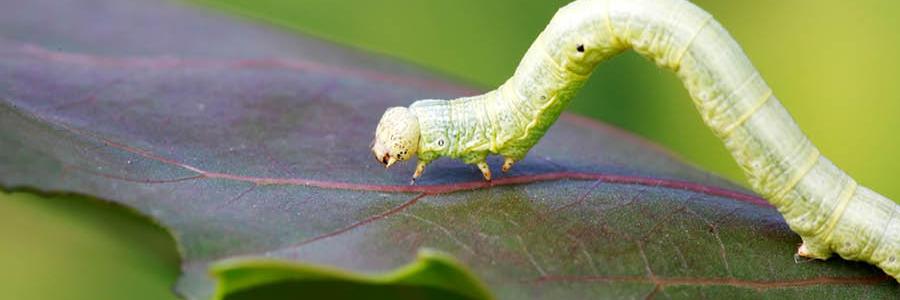
What is a cankerworm?
“Cankerworm” is a generic term used to refer to either spring cankerworms (Paleacrita vernata) or fall cankerworms (Alsophila pometaria), which are both native species of moths that feed on the leaves of deciduous trees. They are called spring or fall cankerworms based on when the adults lay their eggs on tree trunks. These hairless caterpillars emerge in the spring and range from 20–30 mm long. They vary from light green to brown in colour and move with an “inchworm” or “looping” motion. They hang from branches via webbing and form large webs throughout tree branches. Adults are grey-brown moths.
What kind of damage is caused by cankerworms?
Cankerworms feed on many trees, primarily elm, maple and ash. In some cases, these insects can completely defoliate a tree but the trees typically refoliate in July. With several years of heavy defoliation, combined with other abiotic factors such as drought, trees can decline.
How do I control cankerworms?
Typically, outbreaks last 1-4 years and most trees do not decline. During an outbreak of cankerworms, the large number of caterpillars can be a nuisance. They can be removed from a tree with a blast of water from a garden hose. Keep trees watered in dry periods so they can remain healthy and fend off the pests.
Banding (insulation wrapped in saran wrap and Tanglefoot applied to the surface) may be used on private trees in the months of March and September. Banding at these periods targets the wingless females before they lay eggs on the trunks of trees. Do not leave the bands on all summer, as this will promote mold and rot, which is more harmful to trees than feeding damage.